17. August 2025 | How-Tow

Saving in a Three-Country Comparison: Germany, Austria, and Switzerland in a Real-World Test

Saving in a Three-Country Comparison: Germany, Austria, and Switzerland in a Real-World Test

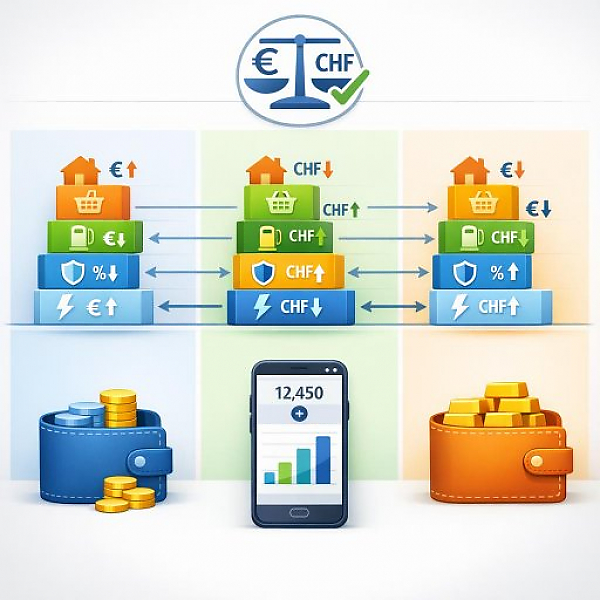
Cost of living, gas prices, insurance, rent – many everyday expenses differ significantly between Germany, Austria, and Switzerland. But where is it cheaper to live? And in which country is there more left in your wallet at the end of the month?

We took a close look at typical spending categories and show where the savings potential lies in the D-A-CH region – with practical tips on how you can get your expenses under better control in each country.

1. Cost of living comparison

CategoryGermanyAustriaSwitzerland
Basket of goods (groceries, personal care) low moderate expensive
Rent (city, 3-room apartment) from 1,000€ from 1,200€ from 2,200CHF
Gas price (regular, avg.) approx. 1.75€/l approx. 1.65€/l approx. 1.90CHF/l
Energy & electricity rising, but subsidized moderate high, but efficient
Health insurance (adult) statutory approx. 16% 5–8% (income-dependent) 300–500CHF/month (paid out of pocket)

Conclusion: Switzerland is noticeably more expensive day to day – but often comes with higher income. Germany scores with affordable groceries; Austria typically lands somewhere in the middle.

2. Savings potential – different depending on the country

Germany: Small amounts, big impact

  • Use low-cost discounters – but compare quality
  • Gas prices fluctuate daily: it’s best to fill up Tuesday evening
  • Actively switch electricity plans; check subsidies (e.g., for heating)

Austria: Think local, save sustainably

  • Compare supermarket deals 
  • Childcare is often cheaper – but leisure activities cost more
  • Buy seasonal fruit & vegetables at farmers’ markets

Switzerland: Leverage efficiency and structure

  • Get a monthly public transit pass instead of a car (parking and gas are extremely expensive)
  • Regularly optimize retirement planning and insurance
  • Buy groceries from border regions or promotions

3. Tips for saving across borders

  • Cross-border shopping: Swiss residents often shop in Germany or Austria – sometimes saving up to 30%.
  • Use digital tools: Budgeting apps reveal differences in spending habits.
  • Currency awareness: The CHF↔EUR exchange rate fluctuates constantly – plan smart!

4. Conclusion: Every country has its pitfalls – and its opportunities

Whether you live in Germany, Austria, or Switzerland – saving starts with awareness of your own spending. If you know prices, make comparisons, and avoid typical cost traps, you can manage your money wisely over the long term even in an “expensive” country.

A household budget helps you factor in your country’s specifics – and keep your financial balance.

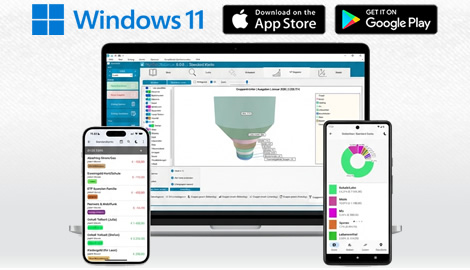
Download the Budget Tracker MyMicroBalance for Windows, Android or iOS