10. August 2025 | How-Tow

Vacation Season = Spending Season? How to Stay Financially Balanced During the Summer Holidays

Vacation Season = Spending Season? How to Stay Financially Balanced During the Summer Holidays

The summer months are full of wonderful experiences – but often also full of expenses. Vacation trips, outings, leisure activities with the kids, or simply more joy in everyday life through eating outdoors, new clothes, or garden projects: for many households, vacation season is also a financial challenge.

But with a bit of foresight and a few clever tricks, you can keep your budget balanced throughout the year – and make it through the vacation season feeling relaxed.

1. Why the summer months strain the household budget

While monthly income usually doesn’t change, expenses rise significantly in the summer. Typical cost drivers include:

Expense categoryTypical examples
Travel & lodging Vacation bookings, short-term rentals, campgrounds
Leisure activities Admission tickets, rides, events, day trips
Dining out Ice cream, drinks, restaurant visits, picnic spending
Child care Summer camps, child care costs, craft supplies
Summer essentials Clothing, sunscreen, garden supplies, gear

If you don’t plan for these items, your monthly budget can quickly get thrown off balance.

2. How to sensibly allocate your annual budget across the summer months

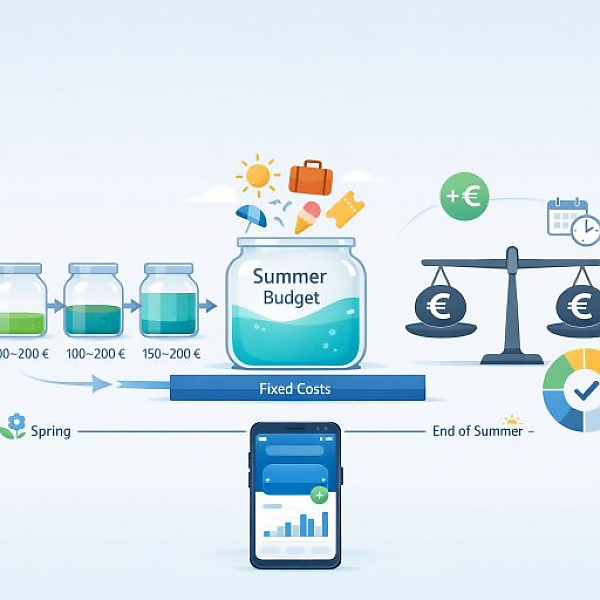
  • Set a “summer savings goal” in the spring: Starting in March, plan to set aside 100–200 each month.
  • Use early-bird prices: If you plan your trip in winter, you can often save up to 30.
  • Balance it out with quieter months: If you have fewer expenses in February, for example, you can build a cushion.
  • Keep an eye on fixed costs: Don’t plan summer spending at the expense of rent, insurance, or electricity.

3. Extra tip: Additional income during vacation season

If you know summer will be more expensive, you can plan small side earnings in advance – for example:

  • Flea market or online sales: Unused items can quickly bring in 100–200.
  • A temporary side job: Many industries hire summer help – for example in tourism or retail.
  • Renting out: If you travel, you may be able to sublet your apartment (check the legal situation!).

4. Household planning with a seasonal perspective

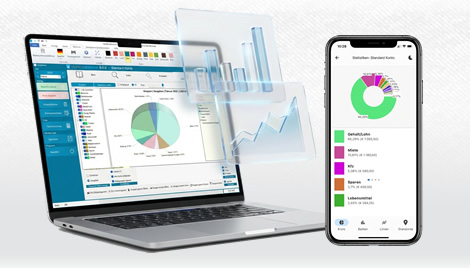
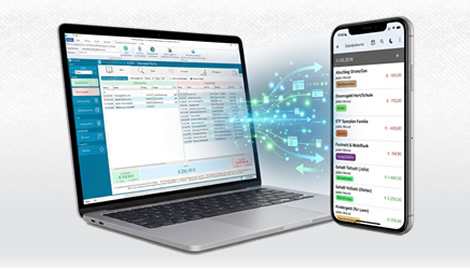
With a budget tracker like MyMicroBalance, you can think about your budget not only month to month but also seasonally:

  • Create a dedicated category called “summer budget”
  • Analyze last year’s summer spending
  • Set firm limits for leisure, travel, and extra expenses
  • Use a separate vacation account or savings entry

5. Conclusion: Get through the summer with foresight

Summer is meant to be enjoyed – but it shouldn’t throw you off financially. Those who plan early, shift their budget, or build in small additional income streams can also afford bigger expenses without slipping into the red.

That way, vacation season becomes a time full of great memories – not a time full of surprise bills in the fall.

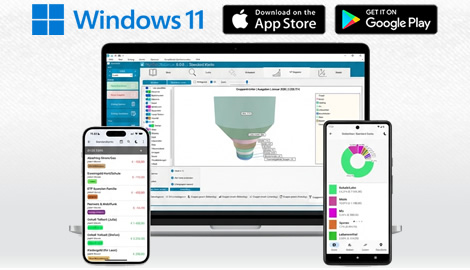
Download the Budget Tracker MyMicroBalance for Windows, Android or iOS