

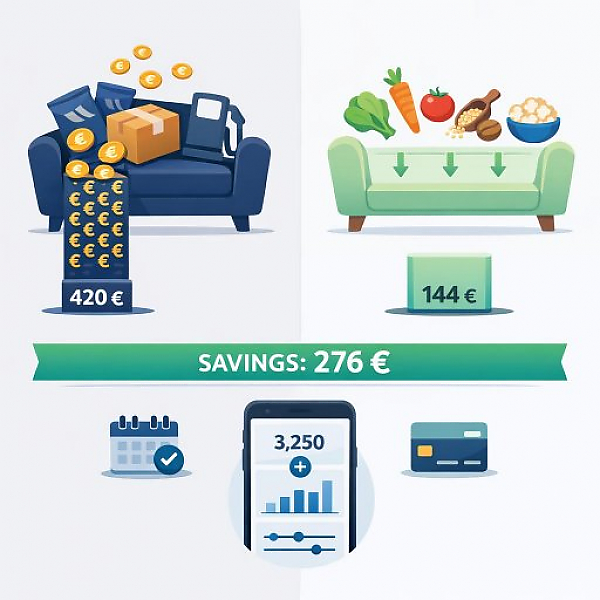
In January and February, a lot of life happens in the living room: it gets dark early, it’s cold outside, and the couch is tempting. That’s exactly when the spontaneous snack becomes a habit—one time delivery, one time a quick stop at the gas station, one time a single-serve pack at the supermarket. At the end of the month, the household budget shows it: heating-and-couch snacking costs have quietly reached a surprising level.
If you want to keep an eye on your everyday finances, this is a perfect place to start. Comparing spontaneous snack purchases with a planned winter snack plan shows how much saving potential lies in a few targeted habit changes.
Spontaneous snacks have three typical traits: they’re convenient, immediately available, and cost significantly more per serving than homemade options. Three sources matter most:
In winter, this dynamic intensifies: more time at home, more streaming nights, and often the feeling you “deserve a treat” after a long workday. The financial impact is rarely noticed right away because it’s many small and medium amounts.
On the other hand is a planned winter snack plan. The idea: don’t give up enjoyment—plan snacks intentionally as their own budget line. The foundation is shelf-stable, versatile supermarket ingredients that can be combined into different winter snacks. That way, comfort and coziness stay the same—only the price drops.
A typical one-week winter snack plan might include:
The ingredients store well, can be used flexibly, and cost far less per serving than spontaneous orders or small branded snacks.
To make the difference tangible, here’s a fictional but realistic comparison. Starting point:
Two strategies are compared: a spontaneous approach with no plan and a planned snack plan with a budget.
Typical pattern per evening:
Total cost per couch night: about 35 euros
At 3 nights per week over 4 weeks, that becomes:
| Item | Quantity per month | Average cost | Total |
|---|---|---|---|
| Delivery | 12 orders | 28 euros | 336 euros |
| Spontaneous snacks | 12 nights | 7 euros | 84 euros |
| Total | 420 euros |
With the planned approach, you buy base ingredients once a week and use them to make snacks or simple oven dishes on three evenings. Fictional example for one week (2 people):
Weekly total: about 32 euros for 3 couch nights with different snacks and small meals.
Projected to the month (4 weeks):
| Item | Quantity per month | Average cost | Total |
|---|---|---|---|
| Weekly purchase of snack ingredients | 4 times | 32 euros | 128 euros |
| Small add-ons (e.g., fresh fruit) | 4 times | 4 euros | 16 euros |
| Total | 144 euros |
Comparison of both options:
| Strategy | Monthly heating-and-couch snacking costs |
|---|---|
| Spontaneous snack trap | 420 euros |
| Planned winter snack plan | 144 euros |
Difference: 276 euros less per month—without giving up cozy evenings. Even if you occasionally add a delivery order to the snack plan, the savings potential remains substantial.
So your good intentions don’t disappear in everyday life, it helps to track snacks as their own line item in your budget. That creates transparency and makes changes measurable.
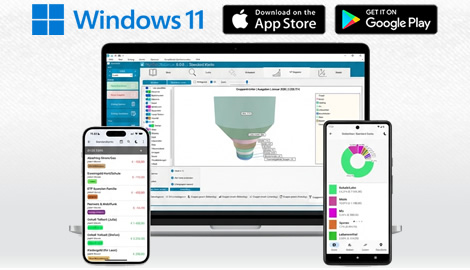
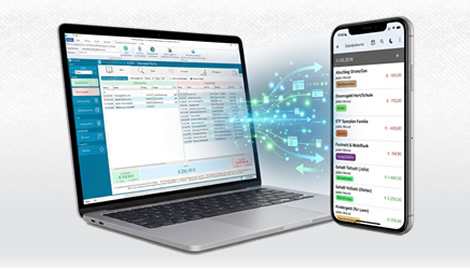
In a digital budget, set up a category like Couch snacks and delivery meals or Winter snacks. That way, all spending on delivery, sweet and salty snacks, and spontaneous gas-station purchases ends up in one place.
For January and February, define a fixed weekly amount. For example:
This creates a clear framework aligned with your finances. If you want, you can add a small buffer for a special binge night.
For anyone who quickly loses track, simple tools can help:
Both work well alongside a digital budget: every use of the cash envelope or prepaid card is recorded there.
Planned snacks don’t have to be complicated. Many inexpensive winter classics can be made with just a few ingredients and are perfect for a couch night.
In family households and shared apartments, the difference between spontaneous snacks and planning is especially noticeable. More people automatically means more orders and more snacking.
A set weekend ritual can help lower snack costs while also spending time together.
For students or shared apartments, one fixed snack night per week with shared cooking can replace the spontaneous group ordering cycle. If you take turns bringing ingredients, the costs are split fairly.
To turn good intentions into solid habits, simple, clearly structured rules help.
Instead of ordering multiple times per week on impulse, establish a set delivery night, for example once every two weeks. This date gets its own small budget; the rest of the couch nights are filled with planned snacks.
On your shopping list or in your grocery app, create a separate section called Snacks. List only ingredients that can turn into multiple snacks, for example:
Shopping with a clear list reduces impulse grabs at checkout.
A direct comparison can be eye-opening: one January with spontaneous snacks and one February with a planned snack plan. In a digital budget, you can compare both months easily:
Even a difference of 100 to 200 euros per month can noticeably reduce pressure or create room for other goals, like savings or a small spring trip.
In winter, not only heating costs rise, but often the hidden couch-snacking costs as well. Spontaneous delivery meals, gas-station snacks, and expensive single-serve packs can quickly add up to several hundred euros per month. A planned winter snack plan with pantry shopping, simple recipes, and a clear couch-snack budget in your household budget can reduce these expenses significantly—without sacrificing coziness.
If you treat snacks as their own budget item, plan a fixed weekly amount, and rely on affordable winter classics like popcorn, roasted vegetables, stuffed flatbreads, or pantry staples like nuts and dried fruit, you stay in control. That way, January and February become cozy but financially relaxed months.



 1
1 2
2 3
3 4
4

